Industrial Warehouse Concrete Polishing in Southeast Michigan
Concrete polishing is an invaluable process for enhancing the durability and aesthetics of industrial warehouse floors. By transforming ordinary concrete surfaces into high-performance floors, polished concrete systems provide multiple benefits, including longevity and reduced maintenance costs. In this guide, we will explore the techniques of concrete polishing, its impact on industrial warehouse performance, and the specific processes involved in achieving outstanding finishes.
Understanding how polished concrete elevates warehouse environments is essential for property owners and facility managers seeking practical and effective flooring solutions. We will delve into the ins and outs of concrete surface preparation, moisture evaluation, and the roles of densification and honing, all while highlighting the significant advantages of polished concrete in Southeast Michigan’s industrial settings.
The sections that follow will offer insights into polished concrete floor systems, improvement of warehouse floor performance, and essential maintenance practices. We also aim to underscore the services provided by GP Concrete Polishing, which specializes in both residential and industrial polished concrete solutions throughout the region.
What Are Polished Concrete Floor Systems for Industrial Warehouses?
Polished concrete floor systems are engineered solutions that involve a multi-stage mechanical process to refine concrete surfaces. These systems are particularly advantageous for industrial warehouses, where the demands on flooring include high traffic, heavy loads, and resistance to staining and wear. Common types of polished concrete systems include:
- Grind and Seal: This basic method combines grinding the concrete surface and sealing it for added protection. It’s economical and ideal for light-duty applications.
- Mechanical Polish: This method employs diamond abrasives to achieve a high-gloss finish. It enhances durability while providing an aesthetically pleasing look, making it suitable for busy warehouse environments.
- Resinous Polishing: This advanced method involves the use of resin hybrid diamonds for an ultra-smooth finish. It is ideal for heavy-duty applications requiring maximum durability and slip resistance.
Polished concrete not only improves the floor’s visual appeal but also reinforces its structural strength. By selecting the right system and finish, industrial warehouse owners can enhance both functionality and style in their operations.
How Does Polished Concrete Improve Warehouse Floor Performance?
Polished concrete significantly boosts warehouse floor performance through durability, ease of maintenance, and safety. Key benefits include:
- Enhanced Durability: Polished concrete is less susceptible to chipping, cracking, and damage from heavy equipment. This resilience is crucial for busy industrial environments.
- Low Maintenance Requirements: With a non-porous surface that resists stains and spills, polished concrete floors require minimal upkeep, saving time and costs associated with maintenance.
- Safety Improvements: Enhanced traction characteristics of polished surfaces help reduce the risks of slips and falls, creating a safer working environment for employees.
GP Concrete Polishing utilizes expert techniques to deliver high-performance polishing for industrial settings, ensuring optimal results that align with operational demands.
What Processes Define Industrial Concrete Polishing?
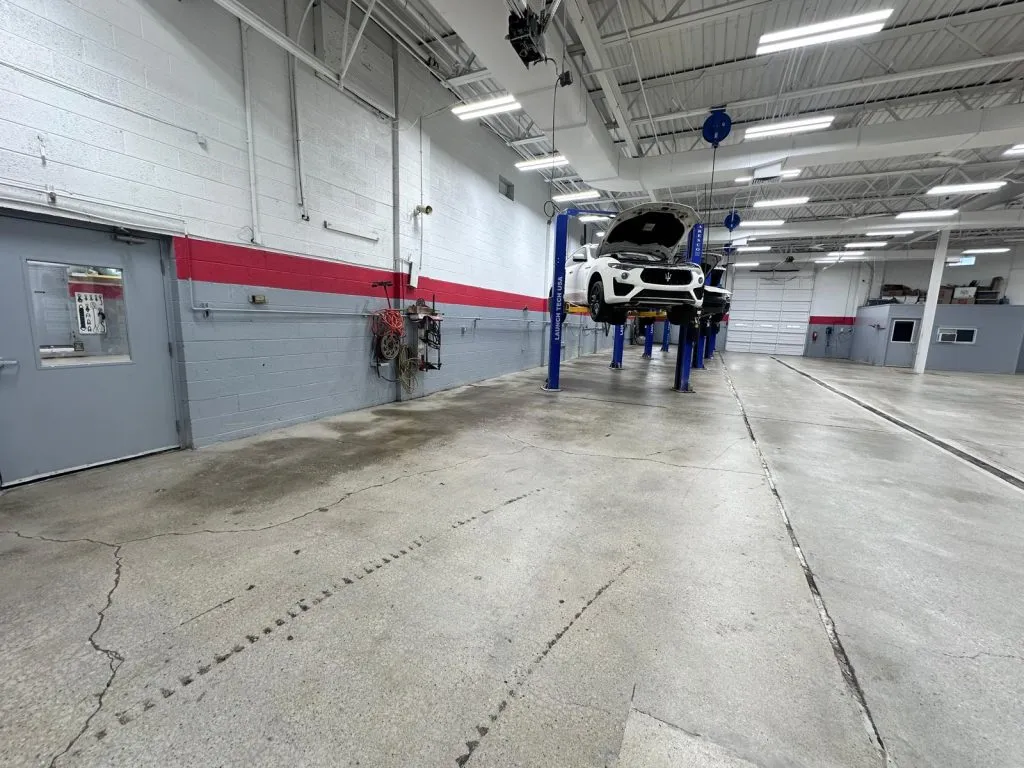
The industrial concrete polishing process is characterized by specific mechanical steps that contribute to the final quality of the surface. These include:
- Concrete Grinding: In this initial stage, heavy grinding machines equipped with diamond-embedded pads are used to remove any imperfections on the surface, creating a level base.
- Honing: This step involves refining the surface to achieve a smoother finish. Different levels of honing can be applied depending on the desired level of sheen and texture.
- Densifying: A denser concrete surface is achieved through the application of chemical densifiers, which fill in microscopic pores, enhancing durability and wear resistance.
- Polishing: Finally, polishing pads with finer grits are used to achieve the desired gloss level, creating a visually appealing finish.
The combination of these processes results in a highly effective polished concrete floor ideal for industrial warehouse applications.
How Is Concrete Surface Preparation Performed for Industrial Floor Polishing?
Effective surface preparation is crucial before beginning the polishing process. Key techniques involved in preparation include:
- Cleaning: A thorough cleaning of the existing concrete surface to remove dirt, oil, and other contaminants is essential.
- Crack Repair: Addressing any cracks or imperfections before polishing helps ensure a smooth finish and prevents future issues.
- Moisture Evaluation: Assessing moisture levels in the concrete is vital, as excess moisture can undermine the polishing process and result in adverse effects.
By following these preparation steps, warehouse owners can maximize the effectiveness of the polishing process.
What Are the Steps in Concrete Grinding and Crack Repair?
Concrete grinding and crack repair are fundamental to achieving high-quality polished floors. The steps generally include:
- Initial Assessment: Inspecting the concrete surface for imperfections and determining the appropriate grinding options.
- Grinding: Operating heavy-duty grinding machines to remove surface flaws, ensuring a uniform base for subsequent stages.
- Crack Filling: Using high-quality filler materials to repair cracks, which prevents them from impacting the polished surface.
- Final Grinding: A second round of grinding may be performed to enhance the surface smoothness before applying densifying agents.
Through these steps, the foundation for a durable and aesthetically pleasing polished concrete floor is established.
Why Is Moisture Evaluation Critical Before Polishing?
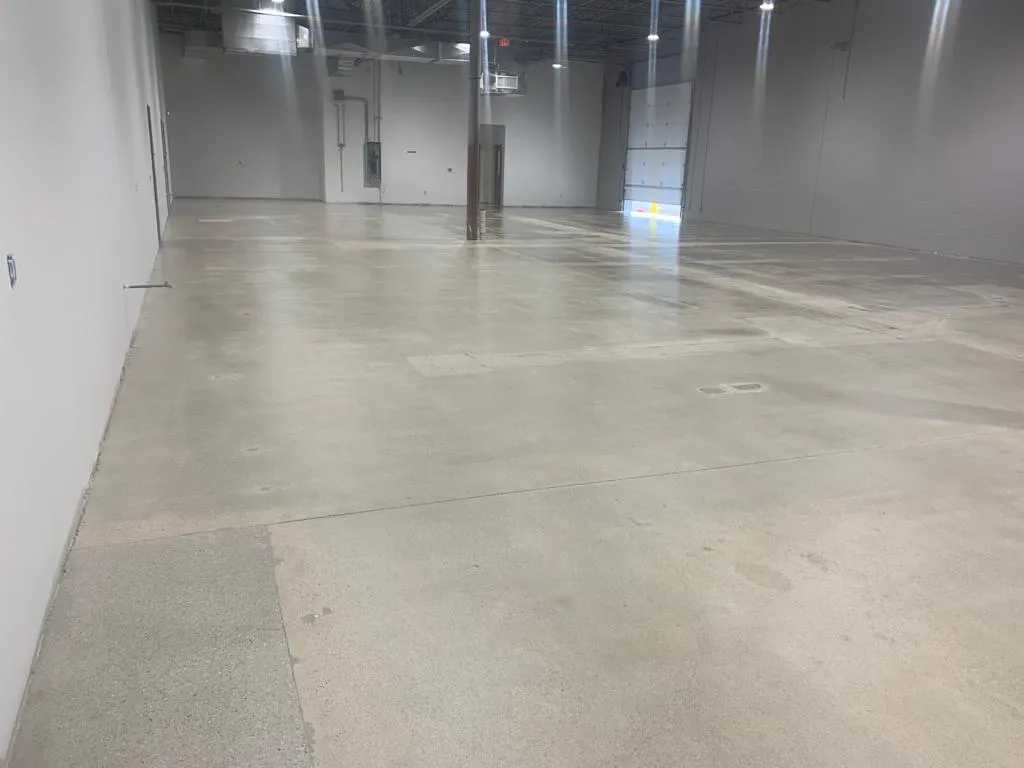
Moisture evaluation is a critical step in concrete polishing, as it can significantly influence the effectiveness of the process. Factors to consider include:
- Avoiding Delamination: High moisture content can lead to delamination of the polish, where layers peel away from the concrete.
- Determining Appropriate Sealers: Knowledge of moisture levels helps in selecting the right sealers and densifiers to use, ensuring longevity.
- Preventing Future Problems: Moisture-related issues can arise after the floor has been polished, affecting its integrity.
Employing moisture evaluation practices helps ensure a successful and lasting polished concrete finish.
What Are the Roles of Densification and Honing in Concrete Floor Refinement?
Densification and honing are vital processes in concrete floor refinement.
- Densification: This process increases the surface hardness of the concrete, making it resistant to wear and tear. Chemical densifiers penetrate the concrete and react to create a harder surface, contributing to a longer lifespan for the floor.
- Honing: Honing involves the use of progressively finer grits to achieve a desired finish. Different honing techniques can create various textures and sheen levels, catering to the aesthetic preferences of industrial warehouses.
Both processes work in harmony to enhance not only the durability of the floors but also their visual appeal.
How Does Densification Increase Surface Hardness and Durability?
Densification plays a critical role in increasing the hardness and durability of polished concrete surfaces. The application of densifiers:
- Fills microscopic pores: As densifiers seep into the concrete, they fill up pores, creating a dense barrier against the penetration of harmful substances.
- Improves Load Resistance: The increased hardness enables the surface to withstand heavier weights and foot traffic without damage.
Moreover, the improvement in abrasion resistance from polishing and surface treatment techniques is a key factor in extending the lifespan and performance of concrete surfaces, especially in environments exposed to hydraulic abrasion.
Abrasion Resistance of Polished Concrete
With the aim of enhancing the overall durability and performance ofconcretestructures that are subject to water-related abrasion, this article explores the effects of hydraulic abrasion on polished and non-polishedconcretesurface usingASTM C1138test. The results showed that theconcretesurface improvement by polished surface with cement powder resulted in a 34 % increase in theabrasion resistanceof theconcretesurface compared to the untreatedconcretesurface,concretestrength and surface treatment lead to improvedabrasion resistanceofconcretesurfaces in abrasive hydraulic conditions.
Experimental study on abrasion resistance of polished concrete in the water environment, RAW Razzaq, 2025
This enhanced performance translates to reduced maintenance needs and long-term cost savings over the life of the floor.
What Are Key Honing Techniques Used in Polishing?
Honing techniques are essential for obtaining the desired aesthetic and functional qualities in polished concrete. Key techniques include:
- Progressive Grit Application: Starting with coarse grits and moving to finer ones to gradually refine the surface.
- Random Orbital Motion: Utilizing machinery that employs random orbital patterns to avoid lap marks and achieve uniformity.
- Wet vs. Dry Honing: Depending on the project requirements, honing can be performed with either water for dust suppression or dry methods for quicker results.
Implementing these techniques ensures polished surfaces meet specific performance standards while achieving an appealing finish.
What Are the Benefits of Polished Concrete Floors for Industrial Warehouses in Southeast Michigan?
Polished concrete floors offer several benefits tailored to industrial warehouse environments:
- Cost Efficiency: The reduced need for repairs and maintenance leads to significant cost savings over time.
- Environmental Benefits: Polished concrete is a sustainable option that does not require the use of harsh chemicals for maintenance and is energy-efficient in terms of lighting.
- Aesthetic Appeal: Floors can be customized with various finishes and colors to enhance the overall look of the warehouse, promoting a professional image.
These advantages position polished concrete as a practical choice for warehouses across Southeast Michigan.
How Do Polished Floors Enhance Dust Reduction and Light Reflectivity?
The polished surfaces facilitate dust reduction and enhance light reflectivity, which significantly impact warehouse efficiency:
- Dust Reduction: The smooth, non-porous nature of polished concrete minimizes dust accumulation, contributing to a cleaner environment.
- Light Reflectivity: Polished floors improve natural and artificial light reflection, which can lower lighting costs and create a more inviting workspace.
This combination not only helps in maintaining a clean and bright environment but also enhances the productivity of warehouse operations.
What Are the Long-Term Cost and Maintenance Advantages?
Investing in polished concrete floors yields long-term cost and maintenance benefits, including:
- Lower Maintenance Costs: The ease of cleaning and durability of polished concrete reduce ongoing maintenance expenses.
- Extended Lifespan: Properly maintained polished floors can last for decades, minimizing the need for costly replacements.
- Enhanced Property Value: Attractive polished concrete floors can enhance the value of industrial properties, making them more appealing in the marketplace.
These factors solidify polished concrete as a financially rewarding choice for warehouse operators.
How Should Industrial Concrete Floors Be Maintained for Longevity and Safety?
Having polished concrete floors demands specific maintenance practices to ensure longevity and safety:
- Regular Cleaning: Implementing a routine cleaning regimen helps maintain surface shine and prevents dirt buildup.
- Use of Appropriate Cleaners: Only cleaners suitable for polished surfaces should be utilized to avoid dulling the finish.
- Monitoring for Damage: Consistent inspections for any signs of wear or damage allow for early intervention, preserving the integrity of the flooring.
Adhering to these practices ensures that polished concrete floors remain safe and visually appealing over time.
What Are Recommended Maintenance Practices for Polished Concrete?
Effective maintenance of polished concrete floors includes several best practices:
- Daily Cleanup: Sweeping or dust mopping to remove debris ensures that the surface remains clean and prevents scratches.
- Spot Cleaning: Addressing spills and stains immediately prevents permanent damage.
- Periodical Re-polishing: Re-polishing every few years refreshes the sheen and repairs minor abrasions.
By following these recommended practices, warehouse managers can extend the life of their polished floors significantly.
How Do Maintenance Strategies Affect Floor Performance and Cost Efficiency?
Adopting the right maintenance strategies can greatly influence the performance and cost efficiency of polished concrete floors:
- Routine Maintenance: Regular cleaning and minor repairs enhance performance and reduce long-term costs by preventing larger issues.
- Effective Strategies: Implementing a well-thought-out maintenance plan fosters a safe environment and maximizes the floor’s lifespan.
Incorporating these strategies positively impacts both operational efficiency and budgeting for warehouse facilities.
What Project Examples and Testimonials Demonstrate Concrete Polishing Success in Southeast Michigan Warehouses?
Numerous projects across Southeast Michigan illustrate the successful application of concrete polishing in industrial contexts:
- Project 1: A distribution center utilized polished concrete flooring to enhance both durability and cleanliness, resulting in substantial operational savings over the years.
- Project 2: A manufacturing facility reported improved safety and reduced maintenance costs after transitioning to polished concrete, demonstrating enhanced performance.
Each project’s success highlights the numerous advantages of polished concrete solutions in real-world applications.
Which Local Case Studies Illustrate Effective Industrial Floor Polishing?
Local case studies provide an excellent insight into the effectiveness of industrial floor polishing. In one example, a large warehouse facility in Detroit improved efficiency by a notable percentage due to reduced maintenance downtime after implementing polished concrete floors. Another case involved a logistics company in Ann Arbor that saw a significant decrease in dust levels, enhancing employee health and safety through a cleaner work environment.
What Do Southeast Michigan Clients Say About Their Polished Concrete Floors?
Feedback from clients in Southeast Michigan highlights the satisfaction derived from polished concrete flooring installations. Many have reported that the lasting sheen and ease of maintenance have exceeded their expectations. Notably, clients appreciate the balance of performance and cost-effectiveness, citing the substantial decrease in long-term expenses associated with polished concrete compared to traditional flooring options.
By choosing GP Concrete Polishing, businesses can expect quality and expertise in every project, aiding in the transition to more efficient, durable flooring solutions.